

Philippine-American War and Japanese Occupation

Updated: Feb 7, 2025
Digmaang Pilipinas-Amerika

Hilaria del Rosario de Aguinaldo
Hilaria del Rosario de Aguinaldo (17 February 1877 - 6 March 1921), born in Imus, Cavite, nursed the wounded during the revolution. She later set up the Hijas de la Revolucion (Daughters of the Philippine Revolution) and another association that later became the present-day Red Cross.
Hilaria del Rosario de Aguinaldo, was the first president of Asociación de la Cruz Roja (Red Cross Association), established in 1899. She organized humanitarian initiatives that aided those in need during the resistance.

Agueda Kahabagan
Agueda Kahabagan (birth and death dates unknown), known as the Tagalog Joan of Arc, was the first woman general in the Philippines. Born in Santa Cruz, Laguna.
Agueda Kahabagan, was the first documented female general who fought during the Philippine Revolution and the Philippine-American War. She led attacks in Laguna and other parts of the Southern Tagalog region.

Teresa Magbanua
Teresa Magbanua (13 October 1868 – August 1947), born in Pototan, Iloilo, was one of only a few women to join the Panay-based Visayan arm of the Katipunan.
Teresa Magbanua, dubbed as “the fiercest woman in the whole Visayan islands during the revolution,” was one of only a few women to join battles across Panay during the Philippine Revolution and the Philippine-American War and contributed to the resistance during the Japanese occupation.

Casiana Nacionales
An artist's imaginative rendition of her image as described by a relative.
Casiana Nacionales, also known as Geronima, was the only woman documented to join the 1901 surprise attack in Balangiga, Samar. This attack is considered one of the worst defeats of the United States during the Philippine-American War.
Japanese Occupation

Remedios Gomez
(1919 - 15 May 2014)
Born in Mexico, Pampanga, is known as Commander Liwayway, of the Central Luzon Huks.
Remedios Gomez, also known as Kumander Liwayway, was part of the Central Luzon Hukbalahap and was regarded for her “military prowess” in Tarlac and Pampanga. Despite being greatly outnumbered, she led the defeat of Japanese troops during the Battle of Kamansi.

Nieves Fernandez
(1906-1997)
Born in Tacloban City, was a school teacher-turned-Huk commander from Leyte.
She showed an American soldier how to kill Japanese soldiers with a bolo.
Nieves Fernandez, a Hukbalahap commander from Leyte, became known as “The Silent Killer” who ambushed and killed Japanese soldiers on her own while only wielding a makeshift shotgun and a bolo knife.

Josefina Guerrero
(5 August 1917 – 18 June 1996)
Born in Lucban, Quezon, was a Filipina spy during World War II. Guerrero had leprosy and was an unsuspicious and effective surveillance asset for American allied forces. She wanted to be useful to the country even if she was sick with leprosy.
Josefina Guerrero, served as a surveillance asset for the United States and provided information critical in the recapture of Manila during World War II. Guerrero had leprosy and wanted to help her country despite her illness.
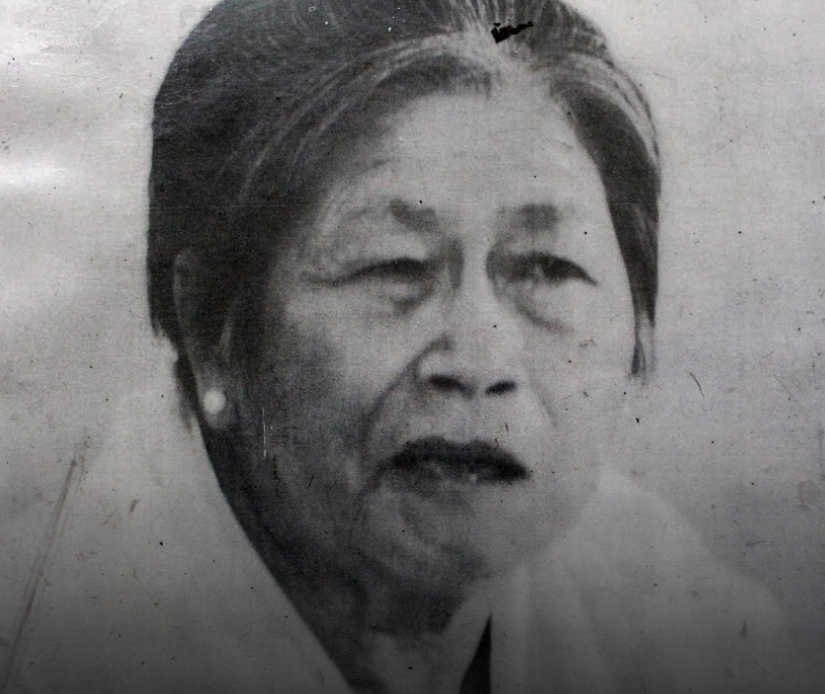
Maria Rosa Henson
Maria Rosa Henson (5 December 1927 – 18 August 1997), born in Pasay City, was a victim of sexual violence by Japanese soldiers at the onset of World War II. After fleeing to Pampanga, she joined the HUKBALAHAP, where she provided food, and medicine, and served as a messenger for the guerrillas. In 1992, she courageously went public with her story.
Maria Rosa Henson, also known as Lola Rosa, was sexually exploited by Japanese soldiers during World War II before joining the Hukbalahap in Pampanga. Henson was the first Filipina comfort woman to make her story public in 1992.
Items in the Wall:
References
Mactal, R. B. (2012, January 12). Ang Partisipasyon ng Kababaihan sa Digmaang Pilipino-Amerikano. Philippine Social Sciences Review. https://journals.upd.edu.ph/index.php/pssr/article/view/2729


Comments